Engineering Fill vs. Engineered Soil: Understanding the Difference for Construction Projects
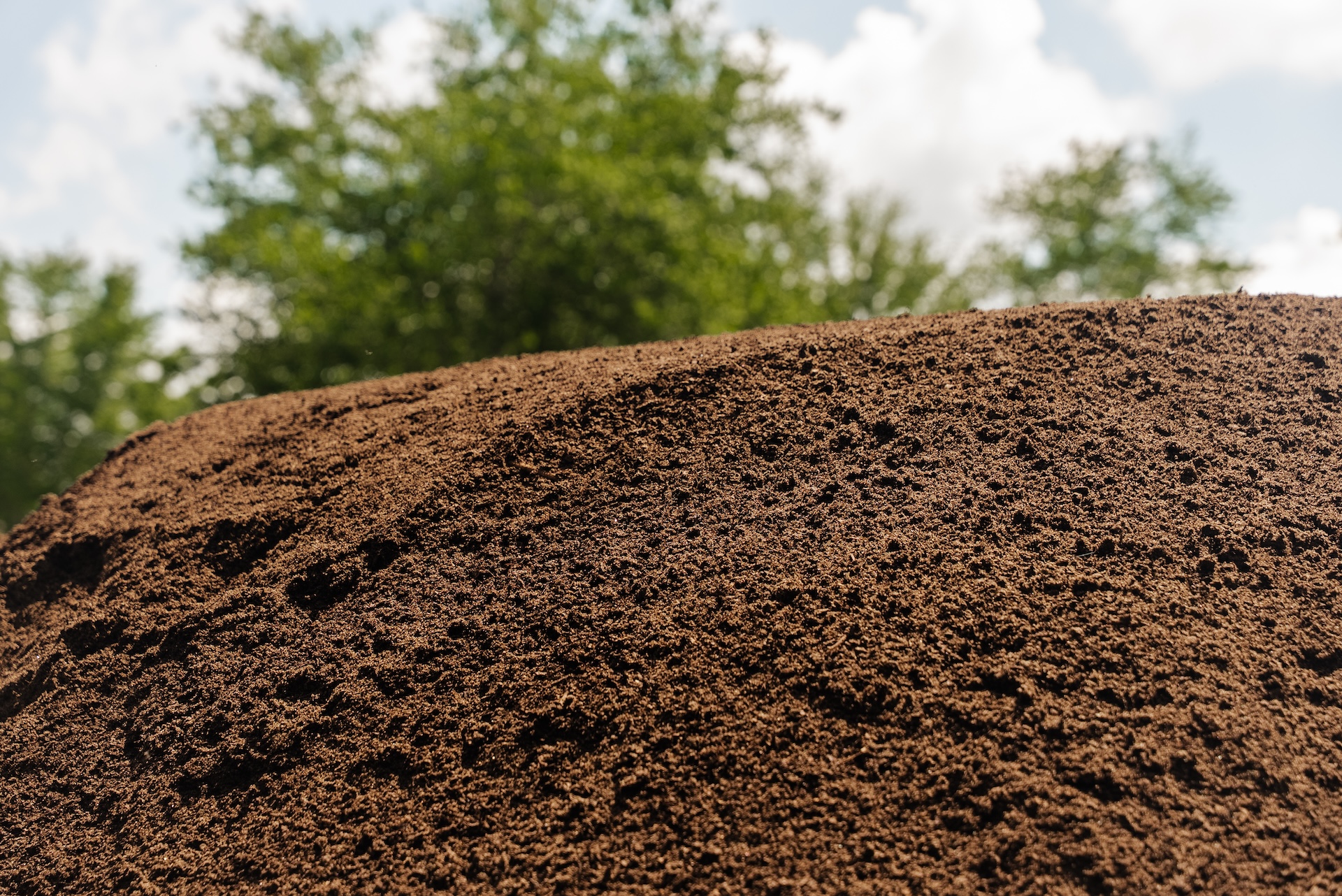
When planning construction projects, the distinction between engineering fill and engineered soil can determine the long-term success of your development. While these terms are often confused or used interchangeably, they serve fundamentally different purposes and deliver vastly different outcomes. At ERTH Products, we specialize in true engineered soil solutions that go beyond basic fill requirements to create lasting environmental benefits.
What Engineering Fill Actually Provides
Engineering fill typically consists of inert materials such as sand, gravel, or crushed stone, designed primarily for structural support and drainage. These materials meet basic construction specifications for compaction and load-bearing capacity, but they don't support plant life or address environmental requirements, such as stormwater management. Engineering fill serves its purpose in foundations and hardscape applications, but it can't create the living, functional growing medium that modern sustainable construction demands.
Traditional fill materials also lack the organic matter and biological activity necessary for vegetation establishment. When projects specify engineering fill for areas intended for landscaping, developers often face expensive remediation later, requiring topsoil additions and soil amendments to create viable growing conditions.
How Engineered Soil Delivers Multiple Benefits
True engineered soil represents a scientific approach to creating growing media that meets both structural and environmental performance standards. Our CU-Structural Soil, Bio-Retention soil, and Hydrocks lightweight structural soil products are precisely formulated to support vegetation while providing necessary structural characteristics for urban environments.
Our engineered soil mix combines organic compost with carefully selected mineral components to achieve specific performance criteria. For example, our Bio-Retention soil blend manages stormwater runoff while supporting plant growth in rain gardens and bioswales. This dual functionality eliminates the need for separate structural fill and growing media, reducing project costs while improving environmental outcomes.
Matching Soil Solutions to Project Requirements
Topsoil suppliers often provide generic products that may not meet engineering specifications or perform consistently across different applications. ERTH Products' approach involves understanding your specific project requirements – whether you need stormwater management, tree establishment in urban settings, or sustainable growing media for green infrastructure.
Our landscape mix products bridge the gap between basic fill and specialized growing media, providing contractors with certified materials that support both immediate construction needs and long-term landscape performance. Each engineered soil product comes with guaranteed specifications and testing documentation to support permit requirements and project compliance.
The ERTH Advantage in Engineered Solutions
When your project demands more than basic fill, ERTH Products delivers engineered soil solutions backed by certifications and proven performance. Our facility just outside Plains, Georgia, produces materials that meet the most demanding specifications while supporting sustainable development practices. From CU-Structural Soil for urban trees to specialized bioretention media, we engineer soil solutions that work.
Contact us at ERTH Products today to discuss the soil requirements for your next project! Our team understands the difference between fill and engineered growing media, and we'll help you specify the right solution for lasting success.
We'd Love to Hear From You