
Bio Retention Soil Built for Georgia Stormwater
ERTH's bioretention soil captures, filters, and infiltrates stormwater runoff at the rate your project demands, while supporting the plant communities that keep systems performing long-term.
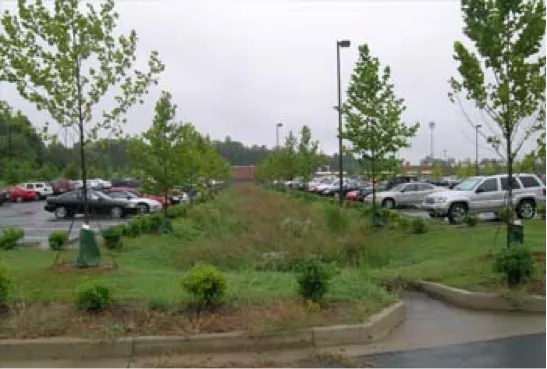
About Bio Retention Soil
Bioretention systems are one of the most effective tools available for managing urban stormwater runoff—capturing pollutants, reducing peak flow volumes, and supporting the groundwater recharge that hard-surface development disrupts. But a bioretention area is only as effective as the soil inside it. Get the soil wrong and the system ponds, fails to meet permit requirements, and becomes a liability rather than an asset. Get it right and it functions as designed for decades.
Engineering the Right Balance
ERTH Products' bio retention soil is purpose-built to get it right. Formulated to meet Georgia EPD and local municipal stormwater compliance requirements, our bioretention soil mix is engineered to deliver three critical performance characteristics: an infiltration rate that drains reliably between storm events, an organic content that supports the microbial activity needed to filter contaminants from runoff, and a physical structure that supports the native and adaptive plant communities that maintain system performance over the long term. The challenge with bioretention soil media is that these three requirements create competing demands. High sand content improves infiltration but reduces filtration capacity and makes it difficult to establish vegetation. High organic content improves plant establishment and filtration but can clog over time. ERTH Products' bioretention soil blend is engineered to balance these demands, achieving the infiltration rate specified by your civil engineer while maintaining the organic content and structure that keep the system performing year after year.
Proven on Georgia Projects of Every Scale
Our rain garden engineered soil in Plains, Georgia has been used on commercial, municipal, and infrastructure projects throughout Georgia, from small commercial rain gardens designed to manage a single roof's runoff to large regional bioretention facilities managing stormwater from multi-acre drainage areas. We work directly with civil engineers and grading contractors to supply the right volume of compliant bioretention soil to project sites throughout the state. Technical documentation including infiltration rate data, organic content analysis, and compliance references for Georgia EPD and local municipal requirements are available on request. Our team in Tyrone, GA assists with material quantity calculations for projects of any scale, and bulk delivery is available throughout Georgia and the Southeast. Bring us your spec and we'll confirm whether our standard mix meets it, or adjust to fit your requirement.
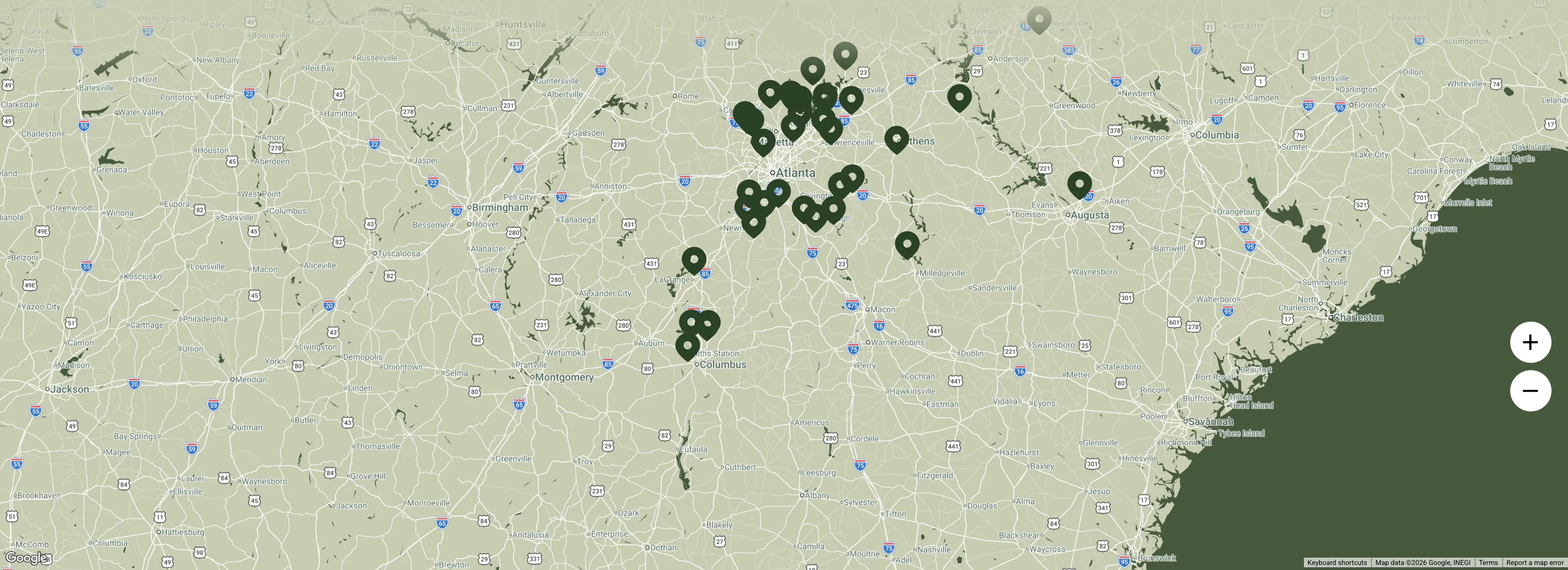
Bioretention Soil Available Across Georgia
Find ERTH bio retention soil through our contractor and distributor network throughout Georgia.
What Our Customers Are Saying
From bioretention to structural support, our engineered mixes are tailored for performance and compliance.
We'd Love to Hear From You

FAQs
All You Need to Know
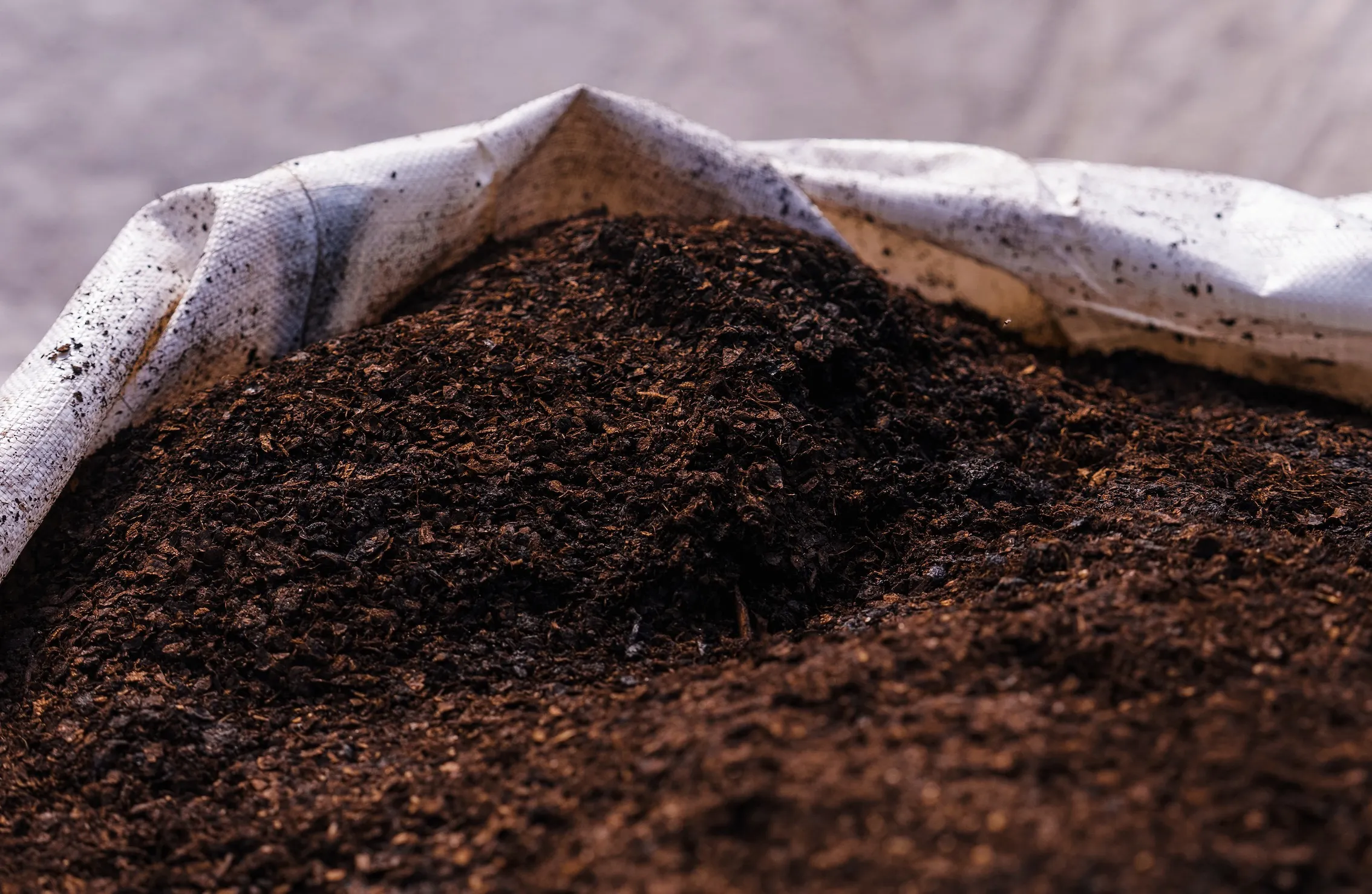
Bio retention soil is an engineered growing medium designed for bioretention areas, shallow stormwater basins and landscaped areas that use soil and vegetation to capture and treat runoff. The soil infiltrates water at a controlled rate, filters pollutants through physical and biological processes, and supports the plant communities that maintain long-term system function.
ERTH's bioretention soil mix is formulated with a specific blend of sand, organic matter, and fine materials to achieve the infiltration rate and water-holding capacity required by Georgia EPD and local stormwater design standards. Spec sheets and technical data available on request.
Yes. ERTH's bioretention soil is formulated to comply with Georgia EPD stormwater requirements and common local municipal specs. We provide technical documentation for project submittals. If your jurisdiction has specific requirements, bring them to our team and we'll confirm compatibility.
Georgia bioretention systems perform best with native and adaptive species that handle both wet and dry conditions—native sedges, switchgrass, river oats, and native ferns for wetter zones. ERTH's rain garden engineered soil provides the organic base and drainage profile to support a diverse plant palette.
Installation depth depends on your system design and local stormwater ordinance, but bioretention soil is typically installed at 18 to 48 inches. Shallower installations (18-24 inches) are common for smaller rain gardens; larger facilities may require deeper profiles. Your civil engineer or stormwater designer should specify depth based on drainage area and local standards.
Permeability is one of the most critical performance characteristics of bioretention soil media. Too slow and your system ponds. Too fast and you lose filtration. ERTH's mix is engineered to a target infiltration rate that balances both requirements. Contact us for the current technical spec sheet with permeability data.