
Structural Soil That Supports
Roots and Roads
ERTH's structural soil for trees lets urban trees thrive beneath paved surfaces, without sacrificing the load-bearing integrity your project requires. Specified by engineers across Georgia.
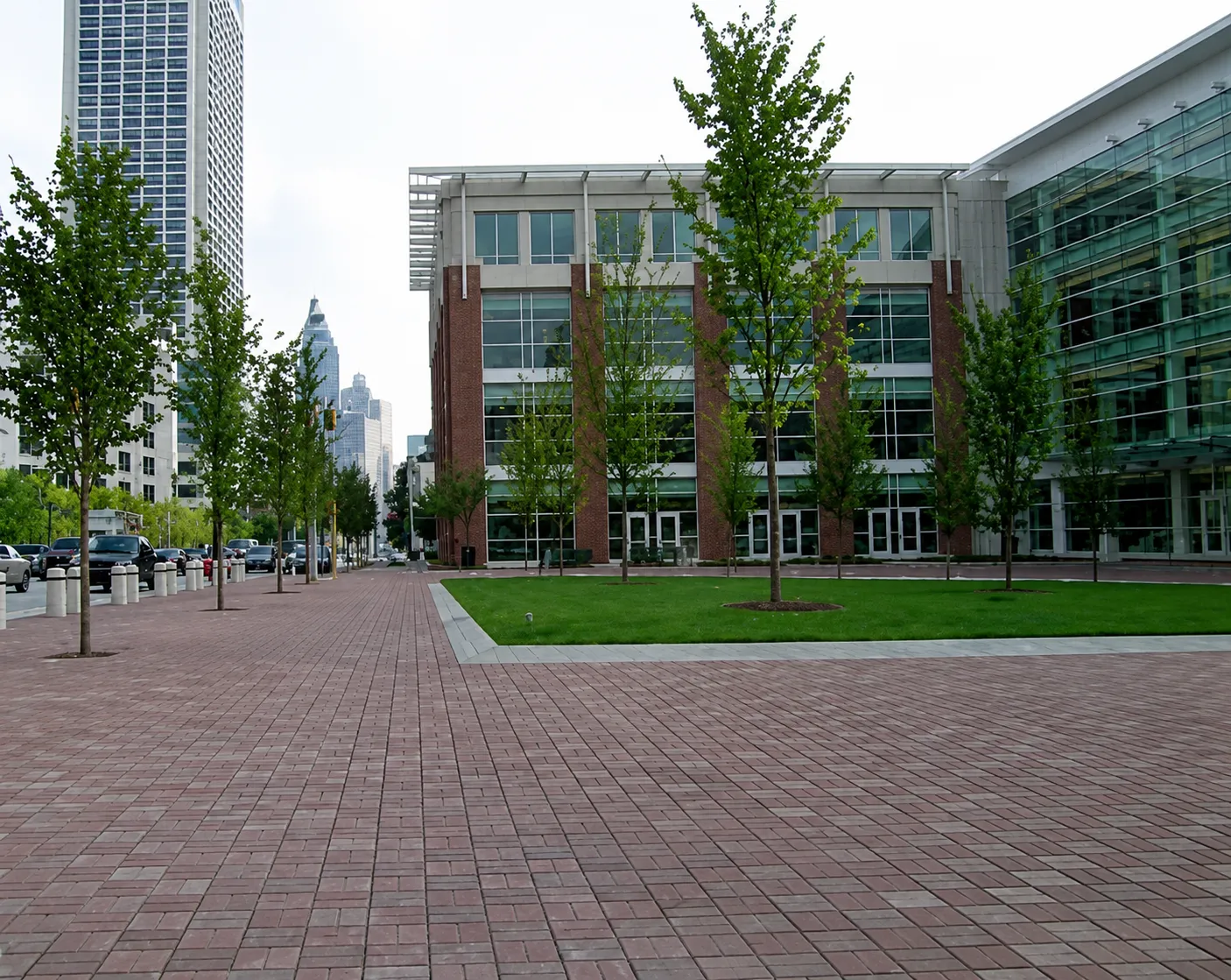
About Structural Soil
Urban development has always asked trees and pavement to share the same space. For most of paving's history, the pavement won. Trees planted in standard compacted base material—the same material that keeps sidewalks and parking lots stable, are effectively cut off from the soil conditions they need to grow. Roots push upward toward oxygen and moisture, eventually buckling the pavement above them. The trees decline. The pavement gets replaced. And the cycle repeats.
How Structural Soil Breaks the Cycle
Structural soil was developed to break that cycle, and ERTH Products has been supplying structural soil solutions to landscape architects, civil engineers, and grading contractors across Georgia for years. We offer two proven products: ERTH-HydRocks Structural Soil, our proprietary structural soil mix engineered for high-load urban applications, and CU Structural Soil Mix, based on the Cornell University specification that has become a widely adopted standard in the landscape architecture industry for urban tree pit installations. Both products work on the same principle: engineered void space within a load-bearing matrix. The aggregate structure of the mix carries the compaction loads required for paved surfaces, meeting Georgia DOT and municipal infrastructure standards—while the void space within that structure preserves room for root growth, oxygen exchange, and water movement. Trees planted in structural soil for trees develop healthy root systems that grow downward and outward through the soil column rather than toward the surface, extending tree longevity and dramatically reducing the pavement heave that costs municipalities millions in maintenance costs annually.
Two Proven Products, One Reliable Source
Both ERTH-HydRocks Structural Soil and CU Structural Soil Mix are built on an ERTH Food Compost organic base in Plains, Georgia, which provides the microbial life and nutrient foundation that supports tree health over the long term, not just root accommodation. Our hydrocks structural soil and CU spec products are available with full technical documentation for project submittals. Spec sheets, cu structural soil specification documentation, and load-bearing performance data are available on request. Our team in Tyrone, GA works directly with landscape architects and civil engineers from spec development through project delivery, supplying structural soil in bulk throughout Georgia and the Southeast.
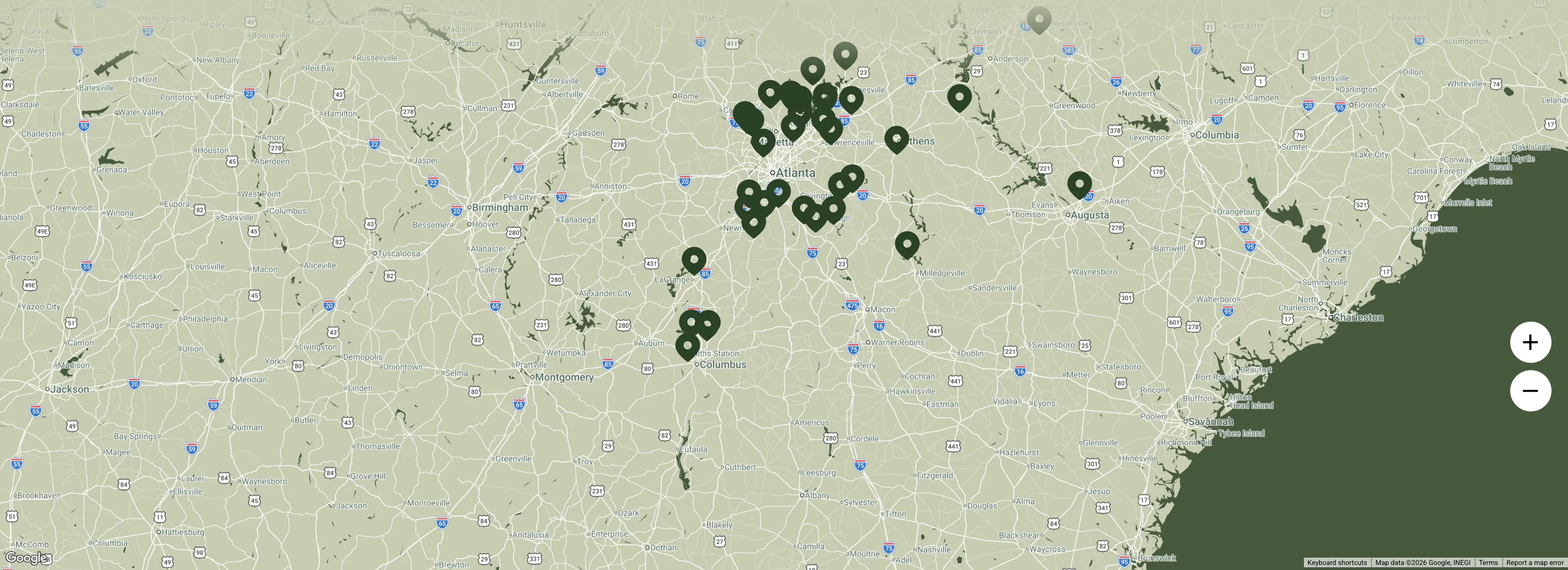
Structural Soil Available Across Georgia
Find ERTH structural soil products through our contractor and distributor network across Georgia.
What Our Customers Are Saying
From bioretention to structural support, our engineered mixes are tailored for performance and compliance.
We'd Love to Hear From You

FAQs
All You Need to Know
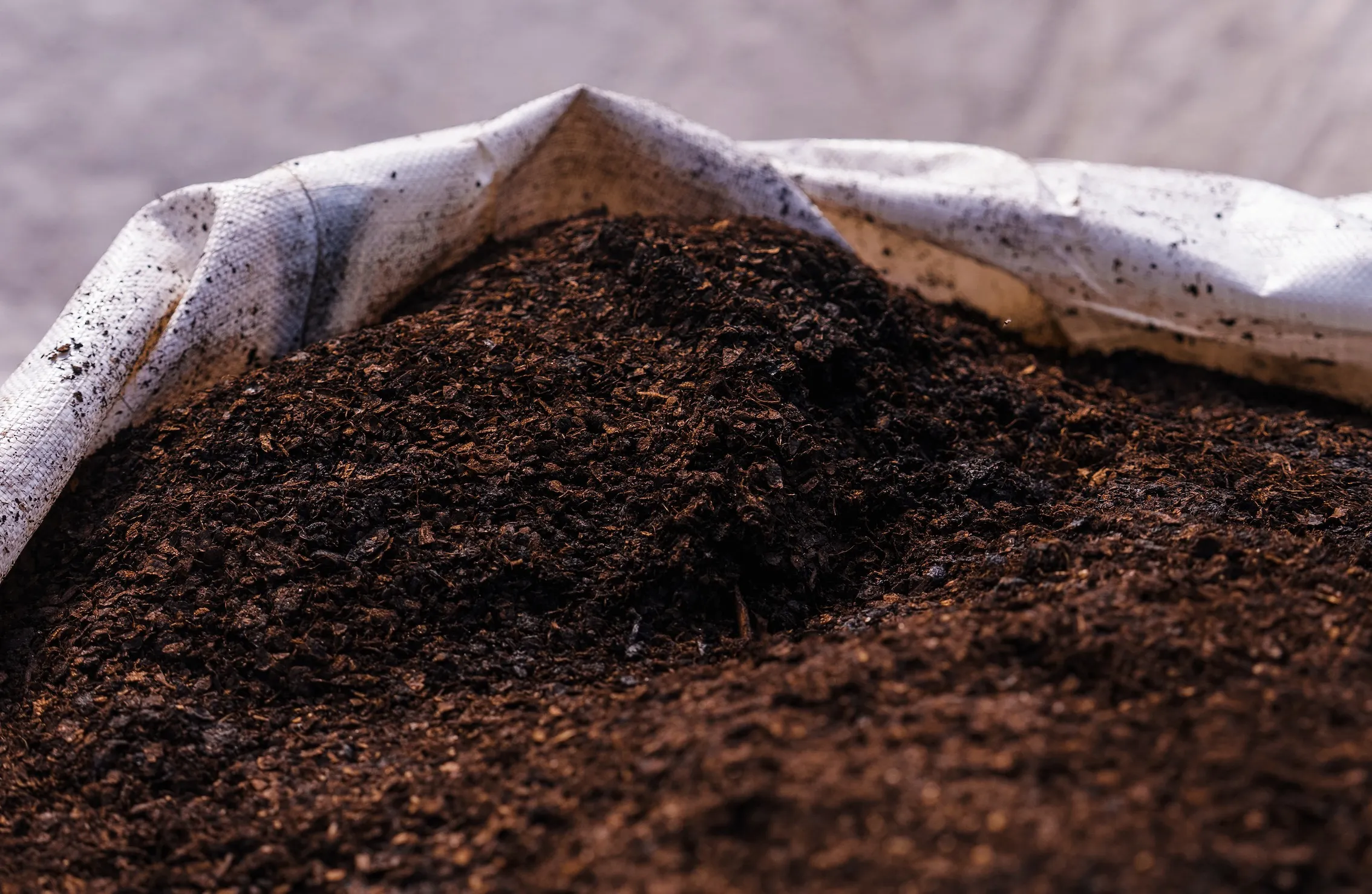
Structural soil is an engineered blend of aggregate and organic material that supports compaction loads from paved surfaces while preserving pore space for tree root growth. Most commonly used in urban tree pits beneath sidewalks, parking lots, plazas, and streetscapes, anywhere trees and pavement must coexist.
Standard compacted base leaves no viable pore space for roots, forcing them toward the surface where they buckle pavement. Structural soil maintains engineered void space within a load-bearing matrix, allowing roots to grow down and outward, extending tree life and reducing infrastructure maintenance costs.
ERTH's structural soil products are engineered to meet the compaction and load-bearing standards for Georgia DOT and municipal streetscape projects. Contact our team or request a spec sheet for your project requirements.
ERTH-HydRocks Structural Soil is ERTH Products' proprietary blend engineered for high-load urban applications. CU Structural Soil Mix is based on the Cornell University specification—a widely adopted landscape architecture standard for urban tree pit installations. Both are available through ERTH Products in Georgia. Our team can help determine which fits your spec.
Yes. ERTH Products' structural soil products have been used on Georgia DOT and municipal streetscape projects, engineered to meet the load-bearing requirements these applications demand. Spec documentation available on request.
Yes. The engineered void space in our structural soil mix supports stormwater infiltration beneath paved surfaces, contributing to runoff reduction in urban environments. For projects with primary stormwater infiltration requirements, our bio retention soil may be the more appropriate product, though structural soil contributes meaningfully to overall stormwater performance.